Full Harris Chain of Lakes fishing report — every lake, the connecting canals, current conditions, and what’s biting this summer.
harris chain of lakes
The Harris Chain of Lakes: A Full Fishing Report
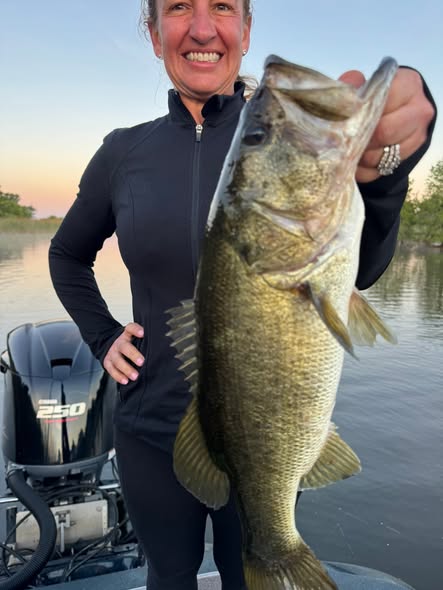
The Harris Chain of Lakes is one of the most legendary bass fisheries in the country, and if you’re planning a trip anywhere in Central Florida, it deserves to be at the top of your list. This isn’t one lake — it’s a connected system of eight lakes across roughly 75,000 acres in Lake and Orange County, northwest of Orlando, and every piece of it fishes a little differently.
The Lakes That Make Up the Chain
**Lake Apopka** sits at the southern end of the chain and is the biggest player among them. It’s mostly a bank and grassline fishery, with limited offshore structure, but it’s produced serious numbers over the years and continues to be a factor in major tournaments.
**Lake Harris and Little Lake Harris** are large, open-water lakes with a mix of main-lake points, grasslines, and deeper structure. Harris tends to fish well on both reaction baits and worms depending on the season.
**Lake Eustis** functions as the gateway to the rest of the chain — nearly every route through the system runs through it at some point. It connects to Harris via the Dead River and to Griffin via Haines Creek.
**Lake Dora** connects to Eustis through the Dora Canal, one of the most scenic stretches on the whole chain, lined with cypress trees and known for producing fish around its docks and canal mouths.
**Lake Griffin** sits on the north end and has a reputation for holding some of the better average-size fish in the chain, especially in and around its marsh areas and the connected creek systems.
**Lakes Beauclair, Carlton, and Yale** round out the system — smaller, connected lakes that don’t get nearly as much pressure as the bigger names, which can work in your favor if you know where to look.
The Canals: The Connective Tissue of the Chain
What makes the Harris Chain genuinely unique is the network of canals and rivers linking all of it together, and locals will tell you the canals themselves hold some of the best fishing on the entire chain, not just a way to get from lake to lake.
**Dead River** connects Lake Harris to Lake Eustis. It’s a no-wake zone, wider than most of the other canals, with pad fields, docks, and heavy cover — it holds fish despite the boat traffic running through it constantly.
**Haines Creek** runs from Lake Eustis to Lake Griffin and is lined with pads and reed stretches nearly its entire length. The creek averages 5-8 feet deep and has long been known as a strong spring bedding area, though it fishes well well beyond spring too — flipping jigs and creature baits to the grass and tree bases along the banks is the go-to approach here.
**The Dora Canal** links Lake Dora to Lake Eustis and is one of the most picturesque stretches of water in Florida, canopied by cypress trees. It fishes similarly to Haines Creek — docks, canal mouths, and shoreline cover producing most of the action.
**The Apopka-Beauclair Canal**, including the lock connecting the two lakes, is the longest run on the chain and the biggest time commitment, but it opens up access to Apopka’s grass and bank fishing for those willing to make the trip.
**A note on running the canals:** if you’re new to running this system, keep your motor trimmed up through the shallower canal stretches — several sections run skinny, especially with water levels down the way they’ve been this season, and it’s easy to hit bottom if you’re not paying attention. Always follow posted no-wake signs and speed limits through the canals, and only bring the boat back up to normal running speed once you’re clear into open water.
Current Conditions: Deep Summer on the Chain
Right now, the chain is in full summer mode — hot days, high water temps, and a bite pattern that rewards getting out early. According to Florida Fish and Wildlife’s own seasonal guidance, activity slows during the midday heat, but mornings and late afternoons still offer real opportunity, especially with topwater. A frog worked over matted grass and lily pads can produce an explosive strike, and a walking bait like a Devil’s Horse across submerged grass beds is another classic summer producer during the hottest stretches.
Offshore, deep-diving crankbaits, heavier jigs, and big worms fished on humps, drops, and shell bars in the 8-20 foot range have been the more consistent pattern for bigger fish once the sun gets up, particularly around Haines Creek and the main-lake shell bars scattered through the system.
Hydrilla remains a major factor on lakes like Harris — bass are holding in and on top of it, and working a worm so it settles down through the grass, then working it back over the top, continues to draw strikes even when the bite feels tough.
One thing worth knowing right now: water levels are running lower than typical for this time of year across the chain, likely tied to below-normal rainfall this season. That’s changing what’s accessible in some of the shallower canal stretches and marsh areas, so local knowledge of the current water levels matters more than usual right now.
Straight from a recent trip on Lake Griffin: ten hours on the water, air temp pushing 102°F, and a genuinely tough bite. Much of the hydrilla on that end of the chain has been cleared back recently, which changed where the fish were holding. The pattern that saved the day was flipping and punching back into the marsh, targeting the cooler, thicker cover where bass were clearly stacking up to escape the heat — a reminder that in the dog days of summer, shade and cover often matter more than depth.
What’s Working: Baits By Lake
Every lake on the chain has its own personality right now, and the bait that produces on one doesn’t always translate to the next.
**Lake Apopka:** Shallow crankbaits worked around rip-rap are producing, along with worms, jigs, topwater, and spinnerbaits fished through the grass. In deeper water, big worms, jigs, and spoons are the better call. In this summer heat, live bait fished under a cork has been steady through the day, even as the water pushes toward the low 100s by afternoon.
**Lake Harris:** Hydrilla remains the dominant factor — working a worm so it settles down through the grass and comes back over the top continues to draw strikes, especially on tougher days.
**Lake Eustis:** Texas-rigged worms are the most consistent producer here, with topwater, spinnerbaits, and crankbaits also drawing giant bass. Around the deeper holes (including the well-known “Gator Hole”), dragging a big worm slowly along the bottom is the classic technique for the lake’s biggest fish.
**Lake Griffin:** A chatterbait-style bait with a gold/white skirt and a matching soft-plastic trailer has been producing well fished over and around the grass, and a lipless crankbait worked over hydrilla tops and edges continues to draw pre-spawn and summer fish alike. Swim jigs retrieved straight through Kissimmee grass, with an occasional shake near visible bird activity, are also worth having tied on.
**Lake Dora, Beauclair, and Carlton:** These East Lakes fish similarly to Eustis — docks, canal mouths, and grass edges holding fish, with worm and jig presentations worked slowly around cover producing the most consistent action.
**Across the canals (Haines Creek, Dead River, Dora Canal):** Speed worms, senkos, topwater walking baits, jerkbaits, and grass jigs all have a place here. A Strike King-style cut-tail worm and a bluegill-colored chatterbait/bladed jig are both proven producers for anglers who fish these stretches regularly.
Wild shiners are also a strong option across the chain right now. In this kind of heat, bass can get lethargic and ignore artificial presentations they’d normally chase, but a live wild shiner’s natural movement and scent trigger reaction strikes even from fish that aren’t actively feeding. It’s part of why live bait tends to outproduce artificials during the toughest, hottest stretches of summer.
“Book a Trip on the Chain”
If you’d like a guided trip on the Harris Chain, Florida Bass Charter runs licensed USCG trips throughout this system and the surrounding lakes — (407) 821-6101 or floridabasscharter.com
